Water Chemistry and Quality in Environmental Science
Posted 9 months ago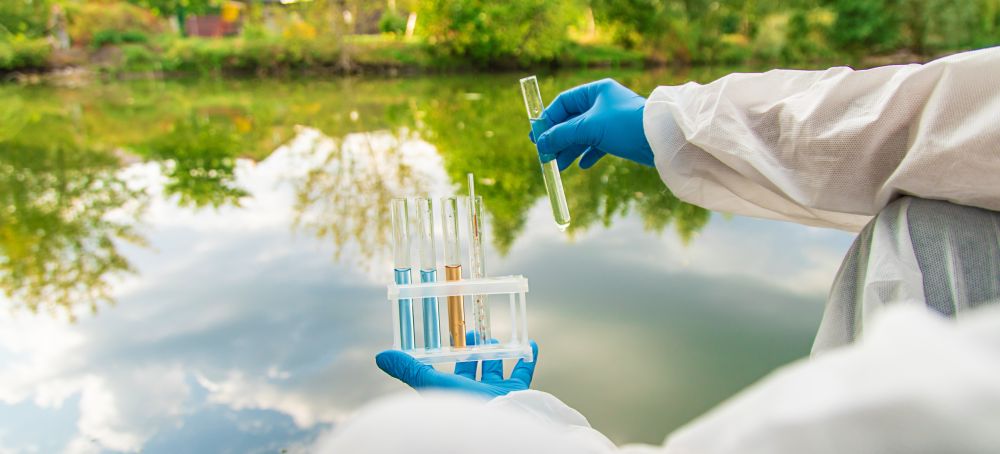
01/2026
Water chemistry and its quiality forms the basis of environmental science, industrial processes, and public health. A clear understanding of water quality parameters allows professionals to:
- Ensure safe drinking water.
- Maintain efficient industrial systems.
- Prevent corrosion, scaling, and fouling.
- Optimize wastewater treatment.
- Enhance desalination, cooling, and boiler systems.
Whether you're working in environmental science, engineering, biotechnology, healthcare, or industry, water chemistry influences both everyday life and large-scale operations.
Every natural water body and engineered water system has a unique chemical signature that influences water behavior, safety, and environmental impact. Water chemistry is the scientific field that helps us understand this signature, connecting theory to practice for students of environmental science. It allows them to analyze water quality data, diagnose environmental problems, and design or operate systems like drinking water treatment plants, wastewater facilities, boilers, cooling towers, and desalination units.
Water quality is not determined solely by appearance. Clear water can still contain dissolved salts, harmful chemicals, or biological contaminants. Conversely, slightly turbid water may be chemically safe in certain conditions. Therefore, water quality depends on measurable chemical and physical parameters that describe what is dissolved, suspended, or chemically transformed within the water. These parameters enable scientists and engineers to evaluate whether water is suitable for drinking, industrial purposes, irrigation, or environmental discharge. Without understanding these factors, it is impossible to manage water systems effectively or safeguard human health and ecosystems.
One of the most important parameters in water chemistry is pH, which indicates the water's acidity or alkalinity. pH measures the concentration of hydrogen ions and is measured on a scale from 0 to 14. Even minor deviations from the natural pH range can lead to problems such as pipe corrosion, metal dissolution, or harm to aquatic life. In drinking water systems, pH influences taste, corrosion risk, and disinfectant effectiveness. In industrial and environmental settings, pH controls chemical reactions, biological activity, and material stability, making it a vital water-quality parameter to monitor.
Electrical conductivity is a key indicator of water quality and reflects the concentration of dissolved ionic substances. Pure water conducts electricity poorly, but as salts and minerals dissolve, its ability to conduct increases. Therefore, conductivity is commonly used as a quick and practical measure of salinity and total dissolved solids. In environmental monitoring, conductivity helps identify pollution sources like industrial discharges or seawater intrusion. In industrial systems, it serves as a control parameter to prevent excessive salt buildup, which can cause scaling and corrosion or reduce system efficiency.
Closely related to conductivity is the concept of total dissolved solids (TDS), which indicates the total concentration of all dissolved substances, including inorganic salts and small organic molecules. High TDS levels can negatively affect the taste and acceptability of drinking water and cause operational challenges in boilers, cooling systems, and desalination plants. In environmental settings, elevated TDS may signal contamination or excessive mineralization. Understanding TDS helps students see how invisible substances influence water usability and system performance, highlighting the importance of managing these parameters effectively.
Water hardness is a specific aspect of dissolved solids that requires special attention. Hardness is mainly caused by calcium and magnesium ions in water. While hard water is generally not harmful to human health, it causes persistent technical issues. Hardness leads to scale buildup in pipes, heat exchangers, and boilers, reducing heat transfer efficiency and increasing energy consumption. In everyday life, hardness is evident through decreased soap lathering and deposits on household appliances. In industrial and environmental systems, managing hardness is crucial for ensuring long-term operational reliability.
Alkalinity describes the capacity of water to neutralize acids and resist sudden pH changes. It functions as a buffering system that stabilizes water chemistry. Alkalinity is vital in natural waters and wastewater treatment processes, where biological activity can produce acidic or alkaline byproducts. Without enough alkalinity, water systems may undergo rapid pH fluctuations that can harm aquatic life or interfere with treatment processes. Understanding alkalinity helps students see the protective role that certain dissolved substances play in maintaining chemical balance.
Besides dissolved substances, water often contains suspended particles that are not chemically dissolved but stay physically present. These are measured as total suspended solids, or TSS. Suspended solids include tiny soil particles, organic matter, microorganisms, and industrial waste particles. High levels of suspended solids decrease water clarity, disrupt disinfection, and signal pollution in rivers, lakes, and wastewater effluents. In environmental regulation, TSS is an important compliance parameter because it directly impacts aquatic ecosystems and downstream water uses.
Another key concept in water chemistry is solubility, which describes a substance's ability to dissolve in water. Solubility depends on factors like temperature, pH, and chemical makeup. Changes in solubility can cause dissolved substances to precipitate, leading to scale or sludge formation. Understanding solubility helps environmental scientists and engineers predict and manage issues related to precipitation, fouling, and chemical dosing. It also illustrates why water chemistry is dynamic, changing with environmental conditions and system operations.
Measuring and interpreting water quality parameters require both scientific knowledge and practical understanding. Factors like temperature, sampling methods, instrument calibration, and interfering substances can all affect analytical results. Therefore, water chemistry is more than just collecting numbers; it involves correctly interpreting them in context. Students need to learn how to relate laboratory data to the real-world behavior of water systems, recognizing that water chemistry is an applied science grounded in observation and experience.
For students studying environmental science, mastering water chemistry is crucial for professional skills. These parameters serve as the language used to describe, regulate, and improve water quality. Whether the goal is to provide safe drinking water, treat wastewater, protect ecosystems, or operate industrial systems efficiently, understanding water chemistry allows for informed decisions. Ultimately, water chemistry turns water from a simple substance into a scientifically manageable resource, emphasizing its vital role in environmental protection and sustainable development.
Review Questions with Descriptive Answers
Q1. Why is water chemistry important in environmental science?
Water chemistry is vital in environmental science because it describes how water behaves chemically and how these behaviors influence health, ecosystems, and engineered systems. Without understanding water chemistry, designing effective treatment methods, detecting pollution, or ensuring the safe use of water in daily life and industry would not be possible.
Q2. What does water pH measure, and why is it critical?
pH measures water's acidity or alkalinity and is essential because it influences chemical reactions, corrosion, biological activity, and treatment effectiveness. Incorrect pH levels can damage infrastructure, harm aquatic life, and reduce the efficiency of water disinfection.
Q3. How are water conductivity and TDS related?
Conductivity and total dissolved solids are linked because both reflect the presence of dissolved substances in water. Conductivity measures how effectively water conducts electricity due to dissolved ions, while TDS quantifies the total amount of dissolved substances. As the amount of dissolved salts increases, both values generally rise.
Q4. What causes water hardness, and what problems does it create?
Water hardness is mainly caused by calcium and magnesium ions. It leads to operational issues such as scale buildup, reduced heat-transfer efficiency, and higher maintenance costs, though it typically does not pose a direct health risk.
Q5. What is alkalinity, and how does it protect water systems?
Alkalinity safeguards water systems by buffering against quick pH fluctuations. This buffering ability maintains stable chemical conditions, promotes biological processes, and minimizes corrosion risks in pipes and treatment systems.
Q6. Why is the Water TSS value an important environmental parameter?
Total suspended solids are important because they influence water clarity, treatment effectiveness, and ecosystem health. Elevated TSS levels often signal pollution and can disrupt disinfection processes and the health of aquatic life.
Q7. Can clear-looking water still be unsafe? Explain.
Clear-looking water can still be unsafe because harmful substances, such as dissolved salts, toxic chemicals, or microorganisms, might be present even when the water looks visually clean.
Temperature affects water chemistry by altering solubility, reaction rates, conductivity, and measurement accuracy. Warmer water typically boosts chemical activity and modifies how dissolved and suspended substances behave.