Hazardous Waste and Global Environmental Management – Lecture 13
Posted 8 months ago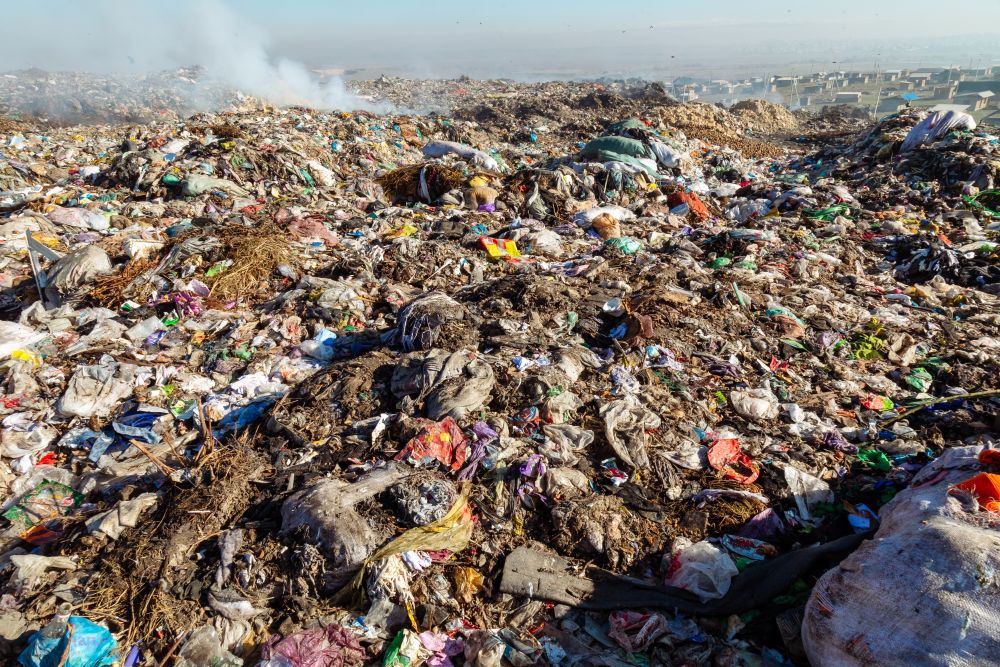
5/2026
Understanding Hazardous Waste
Hazardous waste includes any discarded material, whether solid, liquid, or contained gas, that poses a significant or potential threat to human health or the environment if not properly handled. Recognizing these risks helps the audience understand their importance and relevance to public health and environmental safety.
From an environmental science perspective, hazardous waste is more than just a technical issue; it concerns human survival and impacts public health, industrial growth, environmental justice, and global governance.
Classification of Hazardous Waste
Hazardous waste is categorized for proper regulation and safe handling.
A. Listed Wastes
These are wastes specifically identified by regulatory authorities.
- F-list: Wastes from typical industrial processes, like solvents.
- K-list: Wastes from certain industries, such as petroleum refining.
- P- and U-lists: Discarded commercial chemical products.
- P-listed: Acutely hazardous
- U-listed: Toxic
B. Characteristic Wastes
Wastes are hazardous if they display one or more of the following characteristics:
- Ignitability – easily catches fire
- Corrosivity – corrodes metals or has an extreme pH
- Reactivity – unstable, explosive, or reacts violently
- Toxicity – harmful or fatal, capable of leaching poisons into groundwater
C. Mixed waste
Includes both hazardous chemicals and radioactive materials, which subjects it to multiple regulatory requirements. This makes management complicated and legally sensitive.
Global Laws on Waste Management: The BRS Conventions
To protect people and ecosystems worldwide, the international community established three closely linked treaties:
- Basel Convention
- Rotterdam Convention
- Stockholm Convention
Together, these are known as the BRS Conventions, operating within a synergistic framework that improves cooperation, prevents duplication, and enhances global chemical and waste management systems.
The BRS Secretariat supports countries through:
- Technical assistance and training
- Capacity building
- Workshops, webinars, and scientific publications
Basel Convention: Controlling Hazardous Waste
The Basel Convention was adopted in 1989 to address the widespread dumping of toxic waste in developing countries.
Core Objectives:
- Reduce hazardous waste generation at the source
- Promote environmentally sound management
- Control and restrict the transboundary movement of hazardous waste
- Prevent rich countries from exporting waste to poorer nations, which are unable to manage it safely
The Convention also covers “other wastes” requiring special control, including:
- Household waste
- Incinerator ash
- Plastic waste
- Electronic waste (e-waste)
The fundamental ethical rule emphasizes that hazardous waste should never be irresponsibly moved across borders, highlighting the moral responsibility involved.
Rotterdam Convention: Prior Informed Consent
The Rotterdam Convention regulates international trade in hazardous chemicals and pesticides using the Prior Informed Consent (PIC) process.
This system ensures that:
- Importing countries are fully informed about chemical risks
- Governments can accept, reject, or condition imports
- Exporting countries must respect these decisions
By highlighting transparency and shared responsibility, the Convention safeguards farmers, workers, consumers, and ecosystems, especially in countries with limited regulatory ability.
Stockholm Convention: Persistent Organic Pollutants (POPs)
The Stockholm Convention focusses Persistent Organic Pollutants (POPs)
Q1. Define hazardous waste and explain why it poses a serious threat to human health and the environment.
Answer:
Hazardous waste refers to any discarded material, solid, liquid, or contained gas that presents a significant or potential risk to human health or the environment if not managed properly. This waste is dangerous because of its chemical, physical, or biological characteristics, such as toxicity, flammability, corrosiveness, or reactivity.
From an environmental science standpoint, hazardous waste becomes a serious threat when it contaminates natural systems. Toxic substances can seep into soil and groundwater, pollute rivers and lakes, or release harmful gases into the atmosphere. These pollutants can persist for long periods, accumulate in food chains, and ultimately affect human health through drinking water, food consumption, or inhalation of air. Health effects range from skin and respiratory diseases to cancer, neurological disorders, reproductive problems, and weakened immune systems.
Furthermore, hazardous waste disproportionately impacts vulnerable communities, especially in developing countries where regulatory systems, technical capacity, and disposal infrastructure might be weak. Therefore, hazardous waste is not only an environmental concern but also a public health, social justice, and development issue.
Q2. Describe the main classification systems of hazardous waste with suitable examples.
Answer:
Hazardous waste is classified to ensure proper identification, regulation, and management. One key system is listed waste, which consists of wastes explicitly identified by regulatory authorities. These include the F-list (waste from common industrial processes, such as solvents), the K-list (waste from specific industries, such as petroleum refining), and the P- and U-lists, which cover discarded commercial chemical products. P-listed wastes are extremely hazardous even in small amounts, while U-listed wastes are toxic but less acutely dangerous.
Another classification system is characteristic wastes, which are identified based on their properties rather than their source. These include ignitable wastes that easily catch fire, corrosive wastes that damage metals or have extreme pH values, reactive wastes that are unstable or explosive, and toxic wastes that can cause serious harm when ingested or absorbed and may leach poisonous substances into groundwater.
Finally, mixed waste contains both hazardous chemical components and radioactive materials. These wastes are especially challenging to manage because they must meet both environmental protection laws and nuclear safety regulations, which increase technical, legal, and financial complexity.
Q3. What is mixed waste, and why does it present special management challenges?
Answer:
Mixed waste is defined as waste that contains both hazardous chemical components and radioactive materials. Because it falls under multiple regulatory frameworks—environmental laws for hazardous chemicals and nuclear regulations for radioactive substances—it presents unique management challenges.
Technically, mixed waste requires specialized treatment facilities capable of safely handling both chemical toxicity and radiation hazards. Such facilities are expensive, limited in number, and require highly trained personnel. Legally, overlapping regulations may create administrative complexity, delays, and jurisdictional conflicts among regulatory authorities.
Environmentally and socially, improper handling of mixed waste can result in severe and long-lasting contamination, affecting ecosystems and human health for generations. As a result, mixed waste management demands strong institutional coordination, advanced technology, and strict regulatory oversight.
Q4. Explain the concept of the BRS Conventions and their collective role in environmental protection.
Answer:
The Basel, Rotterdam, and Stockholm (BRS) Conventions are three key international environmental agreements that aim to protect human health and the environment from hazardous chemicals and waste. While each Convention focuses on different aspects of chemical and waste management, they all share a common goal: reducing harm caused by dangerous substances.
The Basel Convention focuses on managing hazardous waste and its international transfer. The Rotterdam Convention oversees global trade in hazardous chemicals through informed consent, while the Stockholm Convention targets persistent organic pollutants (POPs). To improve efficiency and coordination, their secretariats work within a collaborative framework, reducing duplication and enhancing global cooperation.
Collectively, the BRS Conventions support countries, especially developing nations, by providing technical assistance, capacity building, and policy guidance. They demonstrate a global commitment to environmental responsibility and mutual accountability.
Q5. Discuss the aims and global importance of the Basel Convention.
Answer:
The Basel Convention aims to reduce hazardous waste generation, promote safe management practices, and strictly regulate its cross-border movement. One of its primary objectives is to prevent developed countries from exporting hazardous waste to developing nations that lack the capacity to handle it safely.
Globally, the Convention is important because it was created in response to real environmental injustices, including the dumping of toxic waste in poorer areas, which caused serious health and ecological problems. By requiring prior informed consent and strict documentation for waste transport, the Basel Convention improves transparency and accountability in international waste trade.
The Convention also emphasizes waste reduction at the source, promoting cleaner production techniques and sustainable industrial practices. Its ethical basis is the principle that hazardous waste should never be irresponsibly transferred or used to exploit regulatory gaps.
Q6. What is the Prior Informed Consent (PIC) procedure under the Rotterdam Convention, and why is it significant?
Answer:
The Prior Informed Consent (PIC) procedure is a mechanism under the Rotterdam Convention that ensures importing countries are fully informed about hazardous chemicals before they enter their territory. Under this system, countries must explicitly decide whether to allow or restrict the import of certain dangerous chemicals.
PIC is essential because it encourages transparency and shared responsibility in international chemical trade. It helps prevent situations where hazardous substances banned in one country are exported elsewhere without proper warning or safety information. This is especially important for developing nations, where regulatory systems and technical skills may be limited.
By giving governments knowledge and decision-making power, PIC safeguards public health, agricultural workers, consumers, and ecosystems from avoidable chemical risks.
Q7. Why are Persistent Organic Pollutants (POPs) considered particularly harmful to the environment and human health?
Answer:
Persistent Organic Pollutants (POPs) are considered extremely dangerous due to their unique traits. They remain in the environment for long periods, sometimes decades, without decomposing. POPs can travel long distances through air and water, meaning pollution created in one area can affect ecosystems and populations far away.
These chemicals accumulate in the fatty tissues of animals and humans and are biomagnified through food chains, reaching particularly high concentrations at higher trophic levels. Exposure to POPs is linked to serious health effects, including cancer, hormonal disruption, congenital disabilities, immune system suppression, and neurological damage.
Because POPs do not respect national borders and have long-term impacts, they pose a global environmental threat that requires coordinated international action.
Q8. Explain how the Stockholm Convention manages POPs and updates based on new scientific research.
Answer:
The Stockholm Convention tackles POPs by banning or phasing out the production and use of the most hazardous chemicals, restricting others under strict conditions, and reducing unintentional releases from industrial activities. It also controls the import and export of POPs to prevent their uncontrolled spread.
A key strength of the Convention is its dynamic, science-based approach. The list of POPs is not fixed; new chemicals can be added based on scientific evidence showing persistence, toxicity, bioaccumulation, and long-range transport. This keeps the Convention relevant as new chemical threats emerge.
By incorporating science into policy, the Stockholm Convention offers a flexible yet strong framework for long-term global chemical safety.
Q9. Describe the role of the Pakistan Environmental Protection Act (PEPA) 1997 in managing hazardous waste.
Answer:
The Pakistan Environmental Protection Act (PEPA) 1997 is the primary legal framework governing environmental protection in Pakistan. It regulates the generation, handling, transport, treatment, storage, and disposal of hazardous substances and wastes under prescribed conditions and licensing requirements.
PEPA explicitly prohibits the import of hazardous waste into Pakistan for disposal, reflecting alignment with international conventions such as the Basel Convention. It also empowers environmental protection agencies to enforce standards, conduct inspections, and impose penalties for violations.
Through PEPA, Pakistan integrates environmental protection with sustainable development, recognizing that economic growth must not come at the cost of public health or ecological degradation.
Q10. Critically evaluate the importance of the National Hazardous Waste Management Policy 2022 for Pakistan.
Answer:
The National Hazardous Waste Management Policy 2022 marks a significant step in enhancing Pakistan’s hazardous waste governance. It offers a comprehensive framework for managing hazardous waste throughout its entire lifecycle from generation to final disposal and supports the implementation of international environmental agreements.
The policy highlights institutional development, technical guidelines, and better oversight mechanisms. It also reaffirms Pakistan’s dedication to banning hazardous waste imports and managing transboundary movements. Significantly, the policy targets gaps in enforcement and coordination that have traditionally hindered effective hazardous waste management.
Amid rising industrialization, healthcare waste, and electronic waste, this policy aims to protect human health, safeguard ecosystems, and support sustainable development.