Electric Vehicles and Environmental Health: A Pathway to Cleaner Cities - Lecture 4
Posted 11 months ago
75/25
Video of this Lecture is available HERE
The rapid growth of transportation systems has transformed modern life while also causing severe environmental damage. Traffic-related air pollution (TRAP) remains one of the biggest health threats globally, linked to millions of deaths each year. This article examines how electric vehicles (EVs) can help reduce urban air pollution, details Pakistan’s National Electric Vehicle Policy (2025–2030), and shares global success stories that demonstrate the powerful potential of EV adoption for sustainable living.
The Growing Burden of Vehicular Pollution
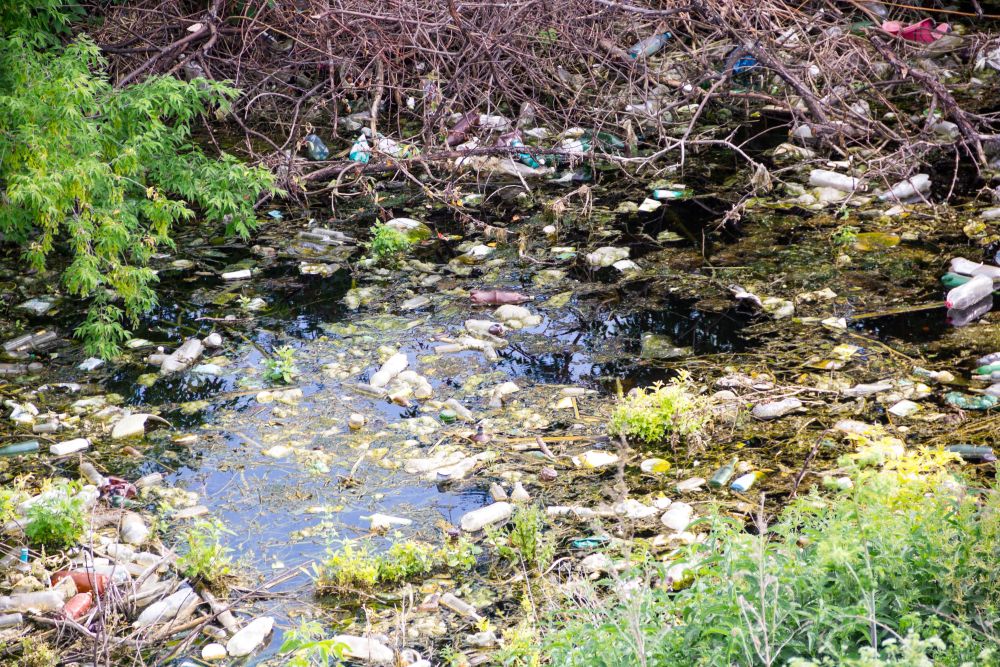
Modern cities are filled with a constant flow of cars, trucks, rickshaws, and buses. These vehicles, though essential for transportation, release large amounts of harmful gases and particles through fuel combustion. This process produces pollutants such as carbon monoxide (CO), nitrogen oxides (NOx), volatile organic compounds (VOCs), and fine particulate matter (PM₂.₅ and PM₁₀). These emissions create a complex mixture known as Traffic-Related Air Pollution (TRAP).
TRAP concentrations are highest near congested roads and urban intersections, where millions breathe air laced with toxic compounds. Prolonged exposure contributes to respiratory diseases, cardiovascular problems, neurological disorders, and premature deaths. The World Health Organization estimates that air pollution causes nearly 7 million deaths annually, and approximately 46% of this burden arises from vehicular sources alone.
Understanding TRAP and Its Health Impacts
Traffic-related air Pollution is a silent but deadly hazard. Carbon monoxide binds with hemoglobin, reducing oxygen transport in the body. Nitrogen oxides contribute to smog and acid rain. Particulate matter penetrates deep into the lungs, damaging tissues and triggering chronic ailments such as asthma and bronchitis.
The invisible nature of TRAP makes it particularly insidious. Commuters, pedestrians, and especially those living near major roads remain constantly exposed. In developing countries, aging vehicles and poor maintenance further exacerbate emissions, amplifying both environmental and health crises.
The Promise of Electric Vehicles (EVs)
Electric vehicles offer a tangible, science-backed solution to combat TRAP. Unlike conventional vehicles that rely on internal combustion engines, EVs run on electricity and produce zero tailpipe emissions. This means no carbon monoxide, no nitrogen oxides, and significantly lower particulate matter levels.
Beyond cleaner air, EVs also offer quieter operation, reducing noise pollution—an often-overlooked environmental stressor linked to sleep disorders and anxiety. The shift to EVs thus not only improves air quality but also enhances urban livability, public health, and mental well-being.
Evidence from Research
Global evidence strongly supports EV adoption.
A study conducted in the United States by Harvard researchers found that emission reductions from road vehicles between 2008 and 2017 prevented thousands of premature deaths, as deaths linked to vehicular fine particulate matter fell from about 27,700 to 19,800 during that period.
Similarly, researchers analyzing data from 2013 to 2019 found that for every 264 electric vehicles sold, one case of childhood asthma was prevented. If more than 53% of cars became electric, asthma linked to tailpipe emissions could virtually disappear.
Global Success Stories
Norway has become a global leader in EV adoption. Nearly 100% of new cars sold there are electric. Consequently, Norway saw a 4.43% drop in national CO₂ emissions, showing that switching to EVs provides real climate and health advantages.
Worldwide, electric vehicle sales topped 17 million units in 2024, making up over 20% of all new car sales. This number is projected to exceed 20 million by 2025, accounting for a quarter of all global car sales.
The National Electric Vehicle Policy 2025–2030
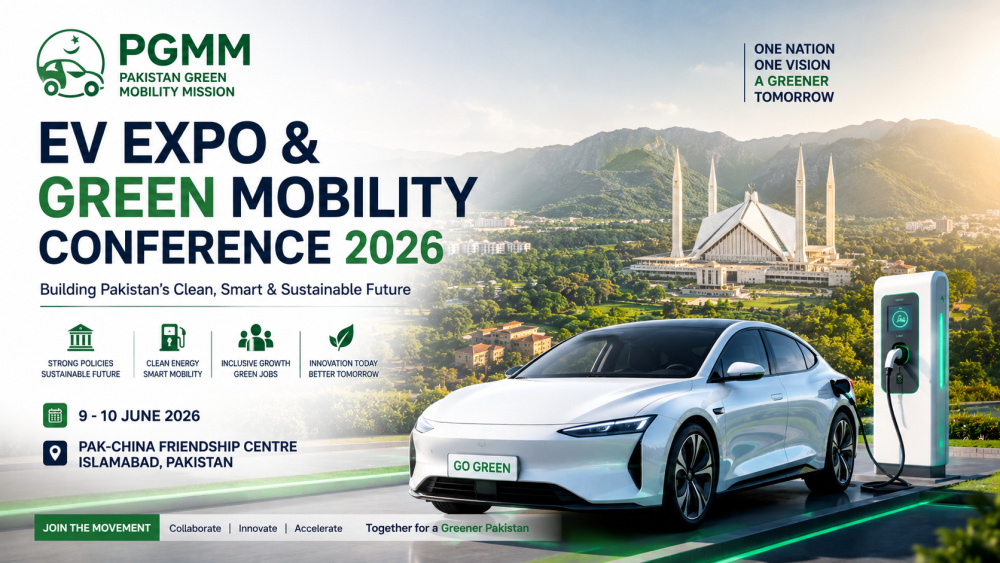
Pakistan’s National Electric Vehicle (EV) Policy, launched in June 2025, outlines a comprehensive roadmap for sustainable mobility.
Key features include:
- 30% EV adoption by 2030 and 100% by 2060.
- Subsidies for consumers: PKR 65,000 for two-wheelers, PKR 400,000 for three-wheelers, and PKR 15,000 per kWh for four-wheelers.
- The Pakistan Electric Vehicle (PAVE) Scheme, offering financial support, loan facilities, and incentives to promote local EV manufacturing.
If effectively implemented, these initiatives are expected to:
- Save 2.07 billion liters of fuel annually.
- Reduce 4.5 million tons of carbon emissions.
- Save approximately $405 million in health-related costs.
A Healthier, Quieter, and Sustainable Future
The benefits of EVs extend beyond technology and economics—they shape a future centered on human well-being and environmental harmony. As cities transition to clean energy vehicles, residents will experience fewer respiratory diseases, improved cardiovascular health, and enhanced quality of life. The silence of electric engines will also make urban life calmer, promoting mental wellness and community peace.
In essence, electric mobility symbolizes more than an industrial transformation it represents a societal commitment to sustainability and intergenerational justice.
Call to Environmental Awareness
Every citizen has a part in shaping environmental outcomes. Choosing cleaner transportation, supporting green policies, and educating others are acts of environmental citizenship. Understanding the science behind pollution and mitigation empowers individuals to make meaningful contributions to planetary health.
Environmental education, therefore, is not limited to classrooms. It extends to daily choices—whether one walks, cycles, or drives an electric vehicle, each decision influences the air we breathe and the future we build.
Question and Answers
A. Multiple Choice Questions (MCQs)
- Which pollutant is not primarily associated with traffic-related air pollution (TRAP)?
a) Carbon monoxide
b) Nitrogen oxides
c) Ozone layer
d) Particulate matter
Answer: c) Ozone layer - The combustion process in vehicle engines mainly produces:
a) Oxygen and nitrogen
b) Carbon dioxide, CO, NOx, and PM₂.₅
c) Helium and argon
d) None of the above
Answer: b) Carbon dioxide, CO, NOx, and PM₂.₅ - Which country has achieved nearly 100% EV sales?
a) Japan
b) Norway
c) Germany
d) United States
Answer: b) Norway - The Pakistan National EV Policy 2025–2030 aims for what percentage of new vehicle sales to be electric by 2030?
a) 10%
b) 20%
c) 30%
d) 50%
Answer: c) 30% - According to the World Health Organization, approximately how many deaths are caused annually by air pollution?
a) 1 million
b) 3 million
c) 7 million
d) 10 million
Answer: c) 7 million
B. Short Answer Questions
- Define Traffic-Related Air Pollution (TRAP) and list its major components.
Answer: TRAP is the mixture of harmful pollutants emitted from vehicles, primarily including carbon monoxide (CO), nitrogen oxides (NOx), particulate matter (PM₂.₅ and PM₁₀), volatile organic compounds (VOCs), and black carbon. - How do electric vehicles help in reducing air pollution?
Answer: EVs run on electricity and do not produce tailpipe emissions, eliminating harmful gases such as CO and NOx, thereby improving air quality and reducing health risks. - Mention two health benefits of switching from conventional to electric vehicles.
Answer: Reduced respiratory diseases such as asthma and bronchitis, and improved cardiovascular health due to lower exposure to air pollutants. - What are the three primary targets or features of the National EV Policy 2025–2030?
Answer: 30% EV adoption by 2030, consumer subsidies for different vehicle categories, and local EV production incentives through the PAVE scheme. - How do EVs contribute to reducing noise pollution?
Answer: EVs operate without internal combustion engines, significantly reducing engine noise and making cities quieter and more peaceful.
C. Critical Thinking / Discussion Questions
- In developing countries like Pakistan, what are the key challenges to large-scale EV adoption, and how can they be addressed?
- Discuss the role of environmental education in promoting sustainable transportation.
- How can policy incentives encourage both manufacturers and consumers to shift toward electric mobility?
- Compare the health outcomes of communities living near highways before and after EV adoption using evidence from international studies.
- Reflect on how individual choices can contribute to a national movement for cleaner air and climate resilience.