Water Pollution: Concepts, Sources, and Human Responsibility - Lecture 8
Posted 8 months ago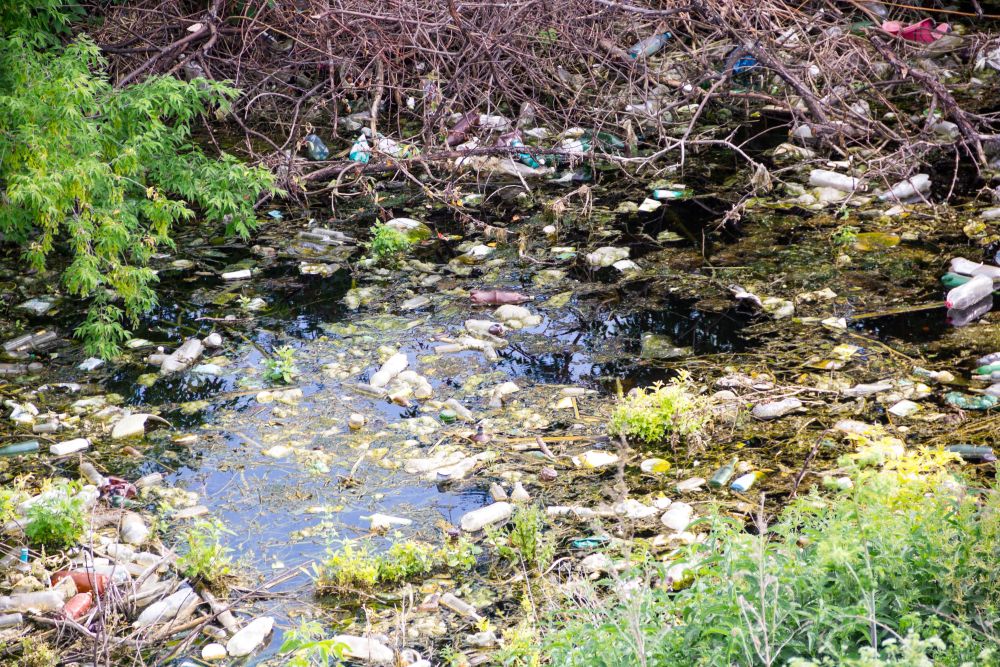
09/2026
Water is one of the most fundamental natural resources sustaining life on Earth. Every ecosystem, from freshwater rivers and lakes to marine environments, depends on clean and balanced water systems. However, increasing human activities, population growth, and unplanned development have led to widespread deterioration in water quality. This deterioration, known as water pollution, poses serious threats to environmental health, biodiversity, and human well-being.
Water pollution is any alteration in the physical, chemical, or biological properties of water that harms living organisms or makes water unsuitable for its intended uses, such as drinking, irrigation, recreation, or industrial processes. Emphasizing these concepts helps readers grasp the significance of water quality issues and stay engaged with the topic.
From a physical perspective, pollution includes increased turbidity from sediment, altered temperatures from industrial discharges, and the presence of floating debris and oil films. Chemical pollution involves the introduction of harmful substances, such as heavy metals, pesticides, fertilizers, acids, and hydrocarbons, which may disrupt aquatic chemistry and accumulate in food chains. Biological pollution occurs when pathogenic microorganisms, invasive species, or excess nutrients trigger abnormal biological activity, often resulting in oxygen depletion and ecosystem collapse.
Water pollution comes from both natural and human sources. Natural sources include sediment from soil erosion, oil seepage from geological formations, and the breakdown of organic matter. Although these processes have always occurred, they usually happen at levels that ecosystems can handle or recover from. The real problem arises when human activities such as deforestation, mining, and large-scale land alterations intensify these natural processes.
Human activities like urbanization, industrial processes, and agriculture directly impact water systems, making readers feel responsible for preventing pollution and understanding their role in protecting water quality.
A helpful way to understand human contributions to water pollution is to categorize sources into point and nonpoint sources. Point sources are identifiable, localized, and measurable origins of pollution. Since their discharge points are known, they can be monitored, regulated, and controlled. Common examples include industrial effluent pipes, sewage treatment plants, and discharges from underground coal mines. These sources often release pollutants either continuously or intermittently into nearby water bodies, making regulation feasible through environmental standards and enforcement mechanisms.
In contrast, non-point sources are diffuse and do not originate from a single identifiable location. Instead, pollutants are carried across large areas, often by rainfall or surface runoff. Agricultural runoff containing fertilizers, pesticides, and animal waste is a typical example. Similarly, urban runoff washes oil residues, heavy metals, plastics, and other contaminants from roads and rooftops into streams and rivers after rain events. Because non-point pollution is dispersed across landscapes and varies with weather patterns, it is much harder to monitor and control.
Another important form of nonpoint pollution is atmospheric deposition, in which pollutants released into the air such as sulfur dioxide, nitrogen oxides, and particulate matter eventually settle into water bodies through rain or dry deposition. Even remote and seemingly untouched locations, such as Lake Saiful Muluk, can be affected by long-range transport of airborne pollutants, underscoring the interconnectedness of environmental systems.
Understanding water pollution sources and prevention methods can empower the audience to take meaningful actions, fostering confidence in their capacity to help protect water quality.
Question 1
Describe what water pollution is and explore its main types with examples.
Answer:
Water pollution refers to any change in the physical, chemical, or biological quality of water that makes it harmful to living organisms or unsuitable for its intended uses. Physically, pollution may involve increased turbidity from sediment or temperature changes caused by industrial cooling. Chemically, it includes toxic substances such as heavy metals, pesticides, fertilizers, and oil residues. Biologically, pollution may involve pathogenic microorganisms or excess nutrients, leading to algal blooms and oxygen depletion. These forms of pollution disrupt aquatic ecosystems and pose serious risks to human health and environmental sustainability.
Question 2
Distinguish between natural and human-related sources of water pollution.
Answer:
Natural sources of water pollution arise from environmental processes such as soil erosion, volcanic activity, oil seepage, and the decay of organic matter. These processes generally occur at levels that ecosystems can tolerate. Human-associated sources, however, result from activities such as industrial discharge, agricultural runoff, urban wastewater disposal, and mining. Unlike natural sources, human-associated pollution often introduces pollutants at high concentrations and rapidly, overwhelming the natural self-purification capacity of water bodies and causing long-term ecological damage.
Question 3
What are point sources of water pollution, and why are they easier to control?
Answer:
Point sources of water pollution are identifiable and localized sources where pollutants enter a water body from a specific, known location. Examples include effluent discharge pipes from factories and sewage treatment plants, as well as drainage from underground mines. These sources are easier to control because they can be monitored directly, regulated through permits, and treated using technological solutions such as filtration, chemical treatment, or biological processing before discharge. Environmental laws and enforcement mechanisms are therefore more effective against point source pollution.
Question 4
Describe non-point source water pollution and explain why it is more difficult to manage.
Answer:
Non-point source water pollution comes from diffuse areas rather than a single identifiable location. Pollutants are carried into water bodies mainly through surface runoff after rainfall or snowmelt. Common contributors include agricultural fields, urban roads, construction sites, and atmospheric deposition. This type of pollution is hard to control because it varies with land use, weather, and seasonal activities. Since pollutants originate from multiple scattered sources, traditional monitoring and regulatory approaches are less effective, making integrated land-use planning and community-based management strategies necessary.
Question 5
Discuss how human activities speed up water pollution and recommend broad prevention strategies.
Answer:
Human activities such as industrialization, intensive agriculture, urban expansion, and improper waste disposal have significantly accelerated water pollution. Overuse of fertilizers and pesticides pollutes surface and groundwater, while untreated sewage introduces pathogens and nutrients into rivers and lakes. Preventive measures include enforcing environmental regulations, promoting wastewater treatment, adopting sustainable farming practices, improving solid waste management, and raising public awareness. Long-term prevention also relies on integrating environmental factors into development planning and encouraging responsible water use by individuals and organizations.