International Day of Clean Energy 2026 at the University of Southern Punjab, Multan, Pakistan
Posted 8 months ago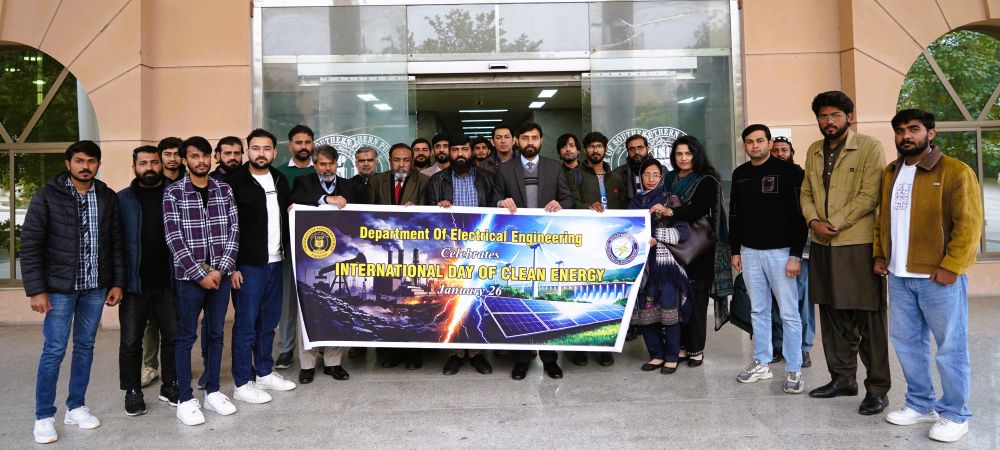
02/2026
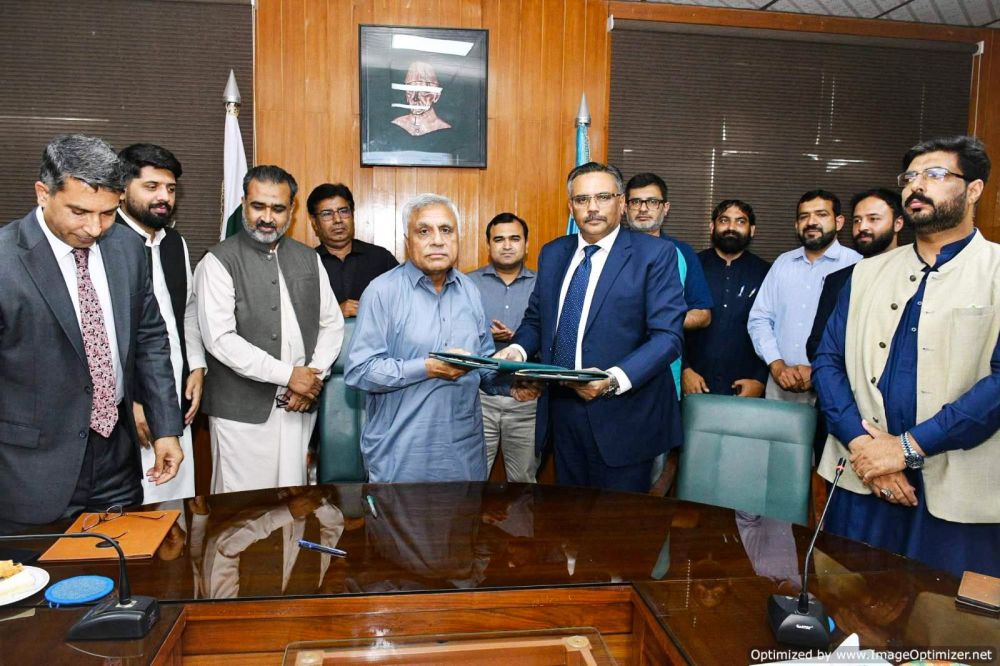
To mark the International Day of Clean Energy 2026, the Department of Electrical Engineering at the University of Southern Punjab, Multan, Pakistan organized an educational seminar for students and faculty focused on clean energy technologies and renewable power systems. The program included technical discussions on shifting from fossil fuels to sustainable energy and practical insights into installing solar energy systems.
The celebration included:
- A campus walk to raise awareness about clean energy
- A site visit to on-campus solar panel installations for hands-on learning.
- A Green Pledge Wall where participants reaffirmed their commitment to environmental sustainability.
The International Day of Clean Energy, celebrated each year on January 26, highlights the need to transition to renewable and sustainable energy sources worldwide. In 2026, the importance of clean energy has never been higher, as climate change, rising energy demand, and environmental concerns push countries and organizations to accelerate the shift away from fossil fuels.
The Urgent Need for Clean and Renewable Energy
Scientific research indicates that the world might temporarily go over 1.5°C of global warming. This underscores the need for a rapid, equitable, and fair energy transition. Clean energy sources, including solar, wind, hydro, and emerging technologies, are essential for reducing greenhouse gases while promoting economic growth and social progress.
Renewable Energy: The Engine of the Global Energy Transition
Renewable energy has become the most cost-effective option for new electricity generation in many regions worldwide. In a historic milestone, wind, solar, and other renewable sources have recently produced more electricity globally than coal, marking a major shift in the global power industry.
Beyond environmental benefits, renewable energy:
- Expands energy access to underserved communities
- Supports clean cooking solutions and enhances public health.
- Supports education, innovation, and economic opportunities
- Creates green jobs and strengthens energy security
- Reduces dependence on volatile fossil fuel markets
Challenges Slowing the Clean Energy Transition
Despite significant momentum, the worldwide shift to renewable energy is moving too slowly. Major obstacles include:
- Limited grid infrastructure and energy storage capacity
- High capital costs, especially in developing economies
- Limited financing options for large-scale clean energy projects.
Overcoming these barriers is essential to unlocking the full potential of renewable energy systems.
The Global Roadmap: Tripling Renewable Energy Capacity by 2030
To reach climate and development goals, the world must triple its global renewable energy capacity by 2030. Achieving this requires coordinated efforts across policy, industry, and finance.
- Clean Energy Policies: Governments should simplify permitting, incentivize low-carbon energy, and safeguard ecosystems.
- Modern Power Grids: Utilities need to upgrade, expand, and digitize grids while increasing energy storage to ensure system stability.
- Sustainable supply chains: Clean energy manufacturing and critical mineral sourcing should support local communities and economies.
- Affordable Climate Finance: Multilateral development banks need to lower investment risks and attract private capital for renewable energy projects.
Ensuring a Just and Inclusive Energy Transition
A successful clean energy future must be people-focused. Protecting workers, supporting skills development, and creating inclusive economic opportunities are crucial as energy systems change. A just transition makes sure that no community is left behind in the move toward sustainable power.
Looking Ahead: Powering a Cleaner and Greener Future
A clean energy future is no longer just a distant goal; it is within reach. By expanding renewable energy through scale, speed, and unity, the global community can achieve cleaner air, affordable energy, resilient economies, and a sustainable planet.
🌱🔋 Toward a cleaner, greener, and more sustainable future.