73/25 Lecture 5B Understanding Smog and Air Pollution - Lessons from History and the Case of Lahore
Posted 11 months ago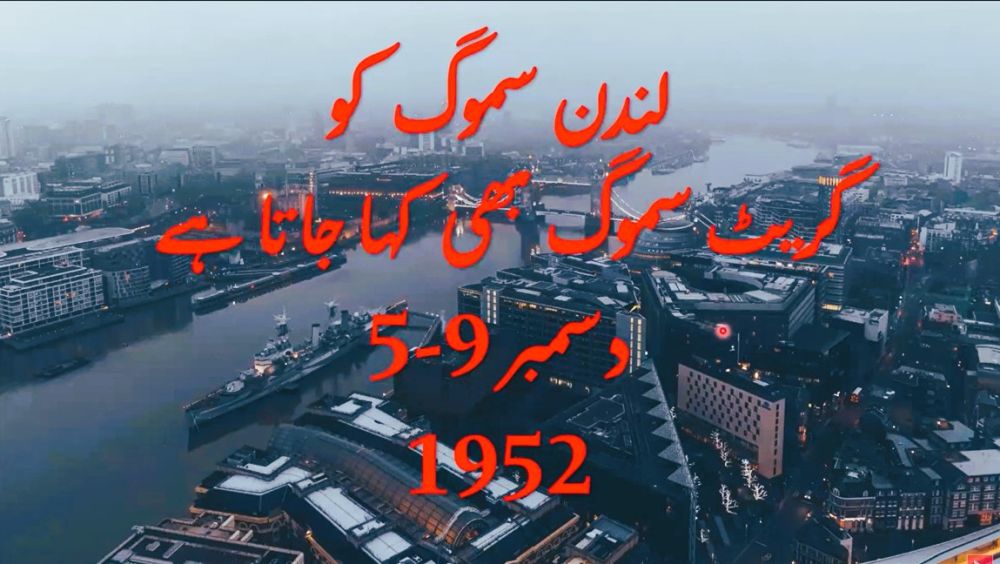
Video for this Lecture is available HERE
Smog, a dense, toxic mixture of smoke and fog, has emerged as one of the most pressing environmental and public health challenges in urban centers worldwide. While often dismissed as a seasonal inconvenience, smog carries profound consequences for human health, urban planning, and governance. Over the past couple of years, the situation in Lahore, Pakistan’s second-largest city, has exemplified the urgent need for action.
Over the years, rising industrialization, vehicular congestion, and poor urban planning have created recurrent smog episodes, significantly affecting public health and quality of life.
In this context, Justice Shahid Karim's landmark judicial intervention in November 2023, ordering immediate measures to control smog in Lahore, represents a historic step in environmental governance.
Here we examine smog's scientific, historical, and policy dimensions, its health impacts, and the significance of Justice Karim’s decision for Pakistan.
Historical Context: Lessons from the Great London Smog
Understanding Lahore’s smog challenge requires examining similar historical events. The Great Smog of London (December 5–9, 1952) remains the most cited example. During these five days, a lethal combination of coal smoke, sulfur dioxide, and stagnant winter air blanketed the city. Visibility fell dramatically, respiratory distress soared, and over 4000 people died, with thousands more experiencing long-term health effects.
The London catastrophe led to the enactment of the Clean Air Act of 1956, a pioneering environmental law regulating industrial emissions and fuel quality. By implementing effective measures within a decade, coal smoke emissions in London dropped by 76%, demonstrating the effectiveness of legislation, enforcement, and public compliance. This story tells that smog control takes time as it needs extended control on industries, automobiles, and other measures. The Great Smog underscored a vital lesson: without legal frameworks, governance, and citizen awareness, air pollution can reach catastrophic levels.
Understanding Smog: Scientific Foundations
Smog is not a single pollutant but a complex mixture of gases, particulate matter, and aerosols. It is broadly categorized into:
Sulfurous Smog (London-type) – Occurring primarily in winter, this smog results from coal combustion and sulfur-containing fuels mostly used in automobiles. Key pollutants include sulfur dioxide (SO₂), particulate matter (PM2.5 and PM10), and carbon monoxide (CO). Its immediate effects are suffocation, respiratory distress, and severe health hazards for vulnerable populations.
Photochemical Smog (Los Angeles-type) – More common in summer, photochemical smog arises from vehicle emissions and the interaction of nitrogen oxides (NOx) and volatile organic compounds (VOCs) under sunlight. Ground-level ozone (O₃) is the primary harmful compound, causing eye irritation, respiratory inflammation, and cardiovascular stress.
In Lahore, smog is generated by multiple sources:
- Vehicular emissions – Cars, buses, motorcycles, and poorly maintained engines release NOx, CO, hydrocarbons, and particulate matter.
- Industrial emissions – Factories, power plants, and brick kilns contribute significant amounts of smoke, sulfur compounds, and other toxic gases.
- Agricultural practices – Open burning of crop residues generates smoke laden with PM2.5.
- Construction dust and unpaved roads – Fine particulate matter from dust exacerbates smog formation.
- Household emissions – Biomass and inefficient fuel use indoors contribute to local air pollution.
Among these pollutants, PM2.5 is particularly dangerous. These microscopic particles deeply penetrate the lungs and bloodstream, causing chronic respiratory diseases, cardiovascular problems, and developmental issues in children.
Health and Societal Impacts
Smog’s effects are not limited to discomfort or visual obstruction. Exposure leads to a spectrum of health consequences:
- Respiratory illnesses: asthma, chronic bronchitis, lung infections.
- Cardiovascular complications: heart attacks, hypertension, arrhythmia.
- Neurological and developmental disorders, especially in children.
- Adverse pregnancy outcomes, including low birth weight and congenital disabilities.
Societal impacts include reduced visibility, traffic hazards, economic disruption, and strain on healthcare systems. The World Health Organization considers air pollution among the leading causes of premature deaths globally, emphasizing its urgency as a public health crisis.
Justice Shahid Karim’s Landmark Decision
In November 2023, Justice Shahid Karim presided over the Smog Control Case in Lahore, issuing a historic directive to control air pollution in the city. His decision, framed in clear and actionable terms, marked a turning point in Pakistan’s environmental jurisprudence. Key aspects include:
- Recognizing clean air as a constitutional and fundamental right.
- Directing immediate steps to reduce emissions from industries, vehicles, and burning crop residues.
- Emphasizing the implementation of integrated long-term strategies rather than short-term or piecemeal interventions.
- Calling upon government agencies to monitor air quality continuously and enforce compliance with environmental regulations.
Justice Karim’s ruling echoes lessons from London: legislation alone is insufficient; enforcement, public participation, and systemic monitoring are essential to curb smog.
Policy and Practical Measures
The Punjab Government formulated the Smog Control Policy (2017), incorporating several critical measures:
- Use of low-sulfur fuels and cleaner energy sources.
- Installation of emission control devices in industrial units and vehicles.
- Improvement of traffic management to reduce vehicular congestion.
- Ban on crop residue burning and promotion of sustainable agricultural practices.
- Expansion of urban green belts and tree plantation programs.
- Continuous air quality monitoring in major cities, with data-driven interventions.
- Community awareness programs encourage citizens to adopt eco-friendly habits.
Despite these efforts, challenges remain. Sustained enforcement, cross-sector coordination, and citizen engagement are indispensable for long-term success.
Public Role and Individual Precautions
While government policy is crucial, citizens play a complementary role in mitigating smog. Recommended actions include:
- Wearing protective masks and goggles during high pollution periods.
- Avoid outdoor exercise on smog-heavy days.
- Practicing vehicular maintenance and using public transportation.
- Limiting indoor burning of biomass and efficient fuel usage.
- Supporting urban afforestation projects to absorb pollutants.
Public education and awareness remain key to translating policy into measurable health outcomes.
Conclusion
Smog represents both a scientific challenge and a societal test. While severe, Lahore’s and other cities in Punjab's air pollution crisis may be controlled through effective measures. Lessons from the Great London Smog demonstrate that law, enforcement, science, and civic engagement can significantly reduce emissions.
The road ahead demands an integrated, multi-sectoral strategy: industries adopting cleaner technology, citizens reducing emissions, and governments ensuring compliance and monitoring. By acting decisively today, Lahore and Pakistan can reclaim clean air, protect public health, and create a sustainable urban environment for future generations.
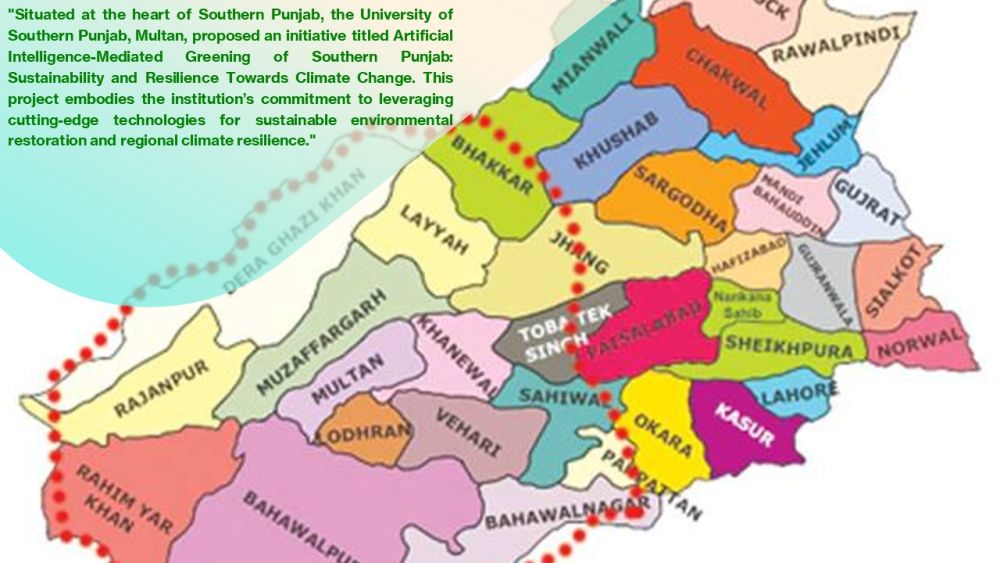
The University of Southern Punjab, Multan, Pakistan, recognizes education as a shared social responsibility and a powerful instrument for community uplift. The University reinforces its commitment to environmental awareness, sustainable living, and civic engagement by offering the Introduction to Environmental Science course to students and the general public. This initiative enriches students’ understanding of how natural systems support life and empowers the wider community to make informed decisions for a cleaner, healthier, and more sustainable future. Through this program, USP takes a leading role in transforming knowledge into action, inspiring and motivating the collective well-being of South Punjab and beyond.